
Why Multi-Generational Homes Are Outpacing Traditional Layouts in 2025
In 2025, the way families live — and the homes they need — is changing fast. As housing costs rise and family structures evolve, multi-generational homes are no longer a niche preference. They’re becoming one of the fastest-growing trends in residential real estate, offering flexibility, savings, and stronger family connections under one roof.
What Is a Multi-Generational Home?
A multi-generational home is designed to comfortably house more than one generation of a family — for example, parents, adult children, and grandparents. These layouts often feature separate living areas, dual kitchens or suites, and shared spaces that allow for privacy and togetherness.
It’s a design that reflects modern needs — and it’s reshaping what “home” means for millions of buyers.
The Growing Demand in 2025
According to housing experts, more buyers in 2025 are prioritizing homes that can adapt to their family’s changing dynamics. Several factors are driving this shift:
- Rising Housing Costs: Combining households helps reduce expenses like mortgages, utilities, and maintenance.
- Aging Parents: Families want to keep older relatives close while maintaining independence through private suites or in-law quarters.
- Remote Work & Childcare Needs: Flexible layouts allow for home offices, learning spaces, and on-site family support.
- Cultural & Lifestyle Trends: Many cultures value living together across generations, and this mindset is influencing mainstream design.
- Rising Housing Costs: Combining households helps reduce expenses like mortgages, utilities, and maintenance.
- Aging Parents: Families want to keep older relatives close while maintaining independence through private suites or in-law quarters.
- Remote Work & Childcare Needs: Flexible layouts allow for home offices, learning spaces, and on-site family support.
- Cultural & Lifestyle Trends: Many cultures value living together across generations, and this mindset is influencing mainstream design.
Why Builders Are Paying Attention
Homebuilders have taken note. Across the country, new construction plans increasingly include multi-gen suites, dual-owner spaces, or guest casitas that can serve as rental income or extended family quarters. These homes are designed with privacy, accessibility, and versatility in mind — appealing to both young buyers and retirees.
The Financial Edge
Multi-generational homes don’t just meet emotional and lifestyle needs — they make financial sense. By pooling resources, families can afford larger, higher-quality homes in desirable neighborhoods. Plus, shared expenses mean more long-term stability and savings.
The Future of Home Design
As we move deeper into 2025, the trend shows no signs of slowing. More buyers are asking agents specifically for multi-generational layouts, and sellers with adaptable floor plans are seeing increased demand and faster sales.
In today’s market, flexibility is the new luxury — and multi-generational living offers exactly that.
Categories
Recent Posts

May 2026 Investor Market Update
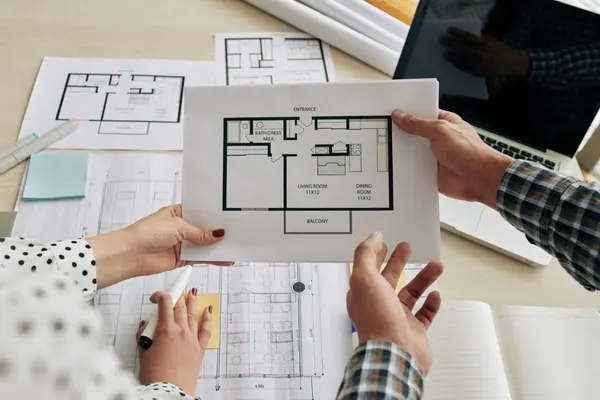
Why 2026 Buyers Expect Floor Plans Before They Ever Book a Showing

The Overlooked Expenses of Homebuying in 2026 (And How to Prepare)
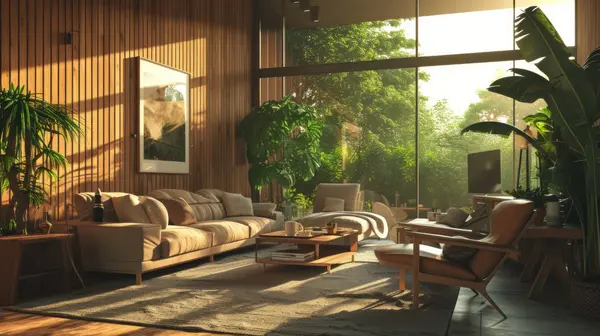
Eco Upgrades, Bigger Offers: How Green Features Drive Value in 2026
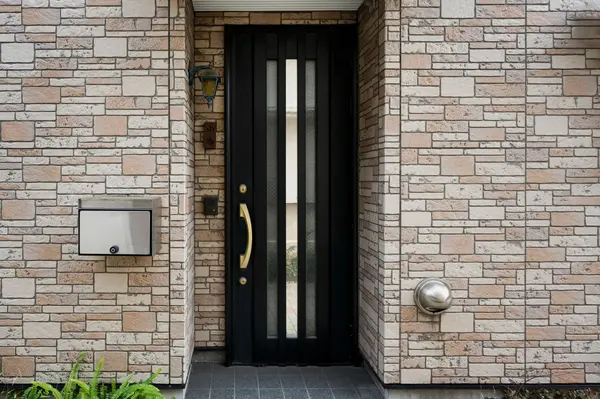
First Impressions Matter: What Your Front Door Tells Buyers in 2026

The Rise of Co-Buying: Friends and Family Teaming Up to Afford Homes

Cheer on the Cyclones at Wallaby's Bar & Grille, Ames' Premier Sports Bar Since 1988

Micro-Trends in Luxury: From Outdoor Kitchens to Cold Plunge Pools

Home Inspections Demystified: Tips for Avoiding Closing Day Surprises

Stress-Free Moving Secrets: How to Simplify Your Big Move